10 November 2026
Why a Pizza Restaurant Is Perfect for Weekend Dining
Presented by @dantewuvg198


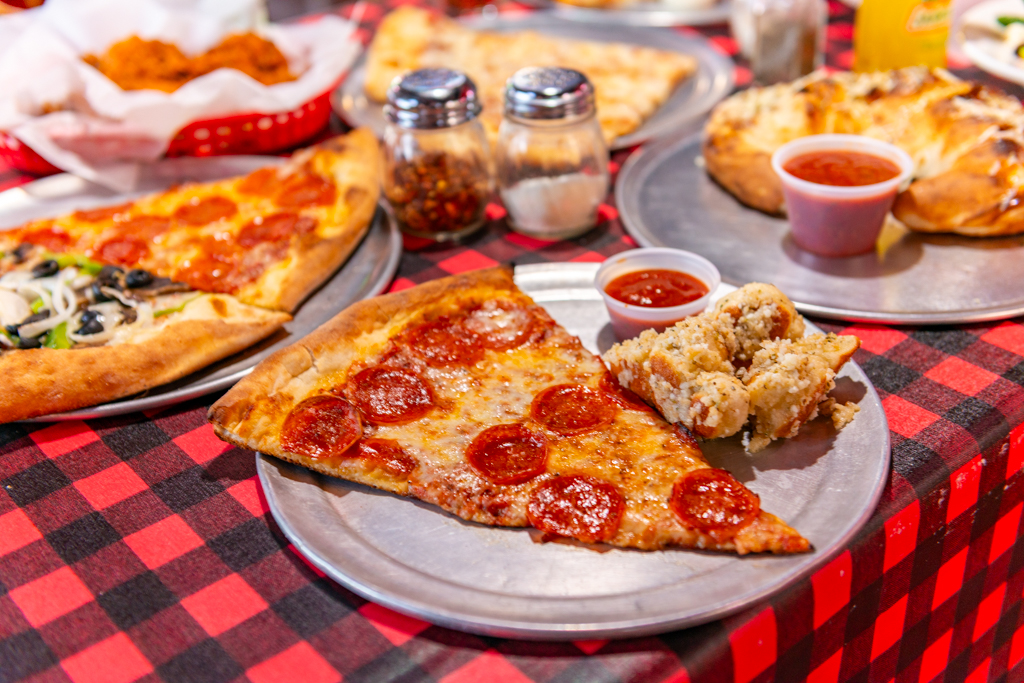
By the time the weekend arrives, most people are not looking for a performance. They want a meal that feels rewarding without becoming another item to manage. That is where a good pizza restaurant earns its place. It offers something rare in dining, a setting that can meet different expectations at once. It can be casual without feeling careless, lively without becoming exhausting, and familiar without turning dull.
After years of watching how people actually dine on Fridays, Saturdays, and slow Sunday evenings, one pattern stands out. Weekend meals succeed when they reduce friction. The food needs to satisfy quickly, the room needs to feel welcoming, and the choices need to work for a mixed group. Pizza handles all three with unusual ease. It is one of the few restaurant formats that consistently serves couples, families, friend groups, solo diners, and even last minute celebrations without forcing the room to change its identity.
That flexibility is not an accident. It comes from how pizza is ordered, shared, served, and enjoyed. A pizza restaurant often succeeds on the weekend not because it tries to be everything, but because its core product naturally supports the way people want to eat when they finally have time to relax.
Weekend dining works best when it feels easy
Weekday meals are usually functional. People eat between obligations, watch the clock, and make practical decisions. Weekend dining is different. The pressure shifts. People want a change of pace, but they do not necessarily want complexity. That distinction matters.
A steakhouse can feel too formal for a spontaneous Saturday night. A tasting menu can be memorable, but it asks for time, money, and attention. Fast food solves speed, but rarely creates the kind of atmosphere people want when the meal itself is part of the outing. A pizza restaurant sits in the middle of that spectrum. It gives diners a real restaurant experience without the baggage that often comes with more rigid formats.
There is also a psychological benefit to familiar food in a social setting. When guests walk into a pizza restaurant, most of the uncertainty disappears. They know the general price range. They understand the menu. They can estimate how much food to order. They know the meal will arrive in a shareable format. That comfort changes the tone of the evening before the first drink is poured.
Restaurants live and die by friction points. Waiting too long to order, explaining a confusing menu, negotiating dietary needs, or splitting a complicated bill can quietly drain the pleasure out of a night. Pizza reduces many of those problems. It is simple in the best sense of the word.
It suits nearly every kind of weekend plan
One reason pizza remains such a strong weekend choice is that it adapts to the occasion instead of dictating it. A date night can start with a good salad, a bottle of wine, and a blistered pie from a wood fired oven. A family can walk in after a soccer game and order two large pizzas without overthinking the budget. A group of eight friends can meet after a movie, push tables together, and sample several styles.
That range matters more than many operators realize. The most useful restaurants are not the ones that fit only one mood. They are the ones that absorb different moods gracefully. A pizza restaurant can feel celebratory, low key, social, or comforting depending on the room, the menu, and the company. Few concepts are this adaptable.
I have seen neighborhood pizza places become de facto weekend headquarters because they solve a problem other restaurants create. No one has to worry too much about being underdressed or overdressed. No one has to spend fifteen minutes scanning an overly ambitious menu. Children can find something they will eat. Adults can still enjoy quality ingredients, good beer, or thoughtful wine service. That balance is harder to achieve than it looks.
Sharing makes the whole meal more social
Weekend dining is rarely just about food. It is about interaction. That is one reason pizza performs so well. It turns the meal into a shared experience without forcing formality. People reach for slices, compare toppings, trade opinions on crust, and order one more pie because the first disappeared faster than expected. The table becomes active.
Compare that with meals where each person orders a separate entrée. Those formats can work, but they create a more individual experience. Once plates arrive, conversation often pauses. Everyone focuses on what is directly in front of them. Pizza encourages the opposite. It keeps the center of the table relevant.
This is especially useful in mixed groups. If one person wants pepperoni, another wants mushrooms and olives, and someone else prefers a white pizza with ricotta, the group can usually satisfy everyone by ordering a few different pies. That makes the meal feel abundant rather than restrictive. It also lowers the stakes of any single decision. If one pizza is merely good instead of great, there are still two others on the table.
The social nature of pizza also makes it ideal for celebrations that do not need a private room or a scripted experience. Birthdays, team dinners, casual anniversaries, post game meals, and reunions all benefit from food that keeps people interacting instead of locking them into a rigid dining sequence.
The price point often feels generous rather than punishing
Value is not the same as being cheap. Diners understand that. They are usually willing to spend on the weekend, but they want to feel that the experience justifies the total. A pizza restaurant often performs well here because the value is visible. A large pie arrives at the table. People can literally see what they are getting. Add an appetizer, a few drinks, perhaps a dessert, and the bill can still feel manageable compared with many full service alternatives.
For families, this matters even more. Weekend dining with children can become expensive quickly. At many restaurants, four people ordering separate entrées, beverages, and sides can push the total higher than expected. At a pizza restaurant, the economics are easier to predict. Two pizzas and a shared starter can feed a family well, often with leftovers. Leftovers are not a small detail. They increase the sense of value because the meal extends into the next day.
For younger diners, students, or groups splitting costs, pizza removes some of the financial awkwardness that comes with unequal orders. People are sharing a few central items rather than tallying wildly different entrée prices. The math feels lighter, which means the mood often stays lighter too.
There is another side to this. Higher end pizza restaurants can still deliver strong value even with premium toppings, imported cheeses, and natural wine lists. Guests tend to accept a slightly higher spend when the format remains relaxed. A carefully made pizza with excellent dough fermentation, quality tomatoes, and fresh mozzarella can feel special without crossing into self importance.
A good pizza restaurant welcomes both spontaneity and planning
Weekend dining often divides into two categories. Some outings are planned days in advance. Others happen because no one wants to cook. Pizza works beautifully for both.
If diners have a reservation, a pizza restaurant can handle the evening with ease. The food comes out at a reasonable pace, sharing is simple, and the table can build the meal gradually with starters, salads, pies, and dessert. If the visit is unplanned, the same restaurant can still be a smart choice because turnover is usually faster than at fine dining spots, and the menu is efficient to execute.
That operational advantage affects the guest experience more than people realize. Pizza kitchens are often designed for volume, especially on peak nights. Dough is prepped ahead. Toppings are organized. Ovens are built for steady output. Even when a dining room is busy, the structure of service can remain surprisingly smooth. Guests may wait for a table, but once seated, the path to eating is usually direct.
This matters on weekends when appetite and patience do not always move together. Hungry groups can become irritable fast. A pizza restaurant tends to bridge that gap better than formats that involve longer courses, heavier customization, or slower ticket times.
The atmosphere hits a rare sweet spot
Atmosphere is one of the hardest things to get right in hospitality. Too quiet, and the room feels stiff. Too loud, and conversation becomes work. Too polished, and guests hold back. Too casual, and the outing loses its sense of occasion. Pizza restaurants often land in a productive middle ground.
The best ones carry a hum rather than a roar. You hear oven doors, glassware, laughter, and the rhythm of service. Tables turn, but the room does not feel rushed. Children are present, but not out of place. Couples can still enjoy a relaxed evening. There is enough energy to make the space feel alive, yet enough informality to let people settle in.
Part of this comes from the food itself. Pizza is comforting and unpretentious, even when made with serious skill. That gives the room permission to be warm rather than precious. Guests rarely feel they have to behave in a highly choreographed way. They can share, lean in, reach across the table, and stay for another round if the evening is going well.
A well run pizza restaurant also uses scent to its advantage. The aroma of baking dough, melted cheese, garlic, basil, and charred crust is one of the strongest appetite cues in dining. It creates anticipation before guests even open the menu. That sensory appeal is especially effective on the weekend, when people are seeking pleasure and release rather than routine.
It handles families better than most formats
Families reveal the strengths and weaknesses of a restaurant faster than almost any other guest type. If service is slow, seating is awkward, or the menu is too narrow, the problems show up immediately. Pizza restaurants usually perform well because they are built around practical hospitality.
Children generally recognize and enjoy pizza, which removes a major point of stress for parents. Adults can still find enough variety to avoid feeling trapped in a kid centered meal. Salads, antipasti, roasted vegetables, meatballs, wings, or pasta often round out the menu. That breadth helps different ages and appetites meet at one table without friction.
There is also a pacing advantage. Parents know the value of getting food onto the table before younger diners lose patience. In many pizza restaurants, a simple starter or a small pie can arrive quickly, buying time and improving the entire experience. Once the table is fed, everyone relaxes.
The physical format helps too. A slice can be cooled, cut smaller, wrapped to go, or eaten in stages. That sounds obvious, but convenience matters in real dining situations. Compare that with entrées that are difficult to share, quick to cool poorly, or messy to repack. Pizza is forgiving.
Of course, not every family wants the same thing. Some want crayons and booster seats. Others want a more elevated meal where children are welcome but the room still feels grown up. A capable pizza restaurant can often bridge that gap better than chain casual dining or highly formal concepts.
It offers real quality, not just convenience
Pizza is sometimes underestimated because it is so widely available. That is a mistake. A serious pizza restaurant is not merely selling a quick dinner. It is selling craft.
The difference begins with dough. Good dough demands planning, fermentation, and judgment. Temperature, hydration, proofing time, flour strength, and handling all influence the final crust. A weekend guest may not articulate those details, but they taste them. They notice whether a crust is airy or dense, whether it has clean wheat flavor or just bulk, whether it folds properly or collapses into grease.
Sauce matters too. So does restraint. One of the clearest signs of an experienced pizza kitchen is balance. Too much cheese and the pie turns heavy. Too many toppings and the center goes soggy. Too little acidity and the richness becomes tiring after two slices. The best pizza restaurants know where to stop.
That is part of the format’s weekend appeal. It can feel easygoing while still delivering genuine culinary skill. Guests are not choosing between craftsmanship and comfort. They can have both.
This is particularly true now that many independent operators take pizza seriously as a regional or artisanal product. Neapolitan, New York style, Roman, Detroit, tavern style, and sourdough based pies each bring distinct textures and dining rhythms. A weekend meal at a pizza restaurant can be as technically interesting as it is enjoyable, especially for diners who appreciate food but do not want the ceremony that often accompanies chef driven dining.
Drinks pair naturally, and that expands the experience
A strong weekend restaurant usually has a beverage program that feels intuitive rather than forced. Pizza excels here because it pairs well across categories. Beer is the obvious partner, especially lagers, pale ales, pilsners, and amber styles that stand up to cheese and char. Wine works just as naturally. A bright Chianti, a juicy Barbera, a dry Lambrusco, or even a chilled rosé can carry a meal beautifully.
Cocktails also have room in the format, particularly in more polished pizza restaurants. A bitter spritz, a classic Negroni, or a simple gin and tonic complements salty, rich food without stealing attention. Nonalcoholic options matter too, especially for families and mixed groups. House sodas, sparkling lemonade, or good iced tea can elevate the experience without much complication.
This variety gives a pizza restaurant an edge on the weekend. The meal can stay simple or expand depending on the mood. Diners can order a quick pie and one drink, or they can turn the evening into a longer occasion with appetizers, another bottle, and dessert. The format does not push either path. It allows both.
Leftovers are part of the pleasure
Few weekend dining formats handle leftovers as well as pizza. This may seem secondary, but for many diners it is part of the value equation and part of the emotional appeal. Cold pizza from the refrigerator on Sunday morning, or reheated slices for a late lunch, have their own charm. Not every restaurant meal improves your next day. Pizza often does.
That gives diners permission to order generously. They can try an extra pie, sample a specialty topping, or add garlic knots and still feel sensible about the spend. The meal does not end when the check arrives. It stretches into home life, which makes the restaurant feel more connected to the weekend as a whole.
From an operator’s perspective, this also supports guest satisfaction. People rarely regret having extra pizza. They often regret underordering at other restaurants and leaving hungry, or overordering dishes that do not travel or reheat well. Pizza avoids both problems.
The best pizza restaurants understand rhythm
There is a craft not just to making pizza, but to serving it on a busy weekend. The restaurants that become https://sergioyvjv714.inkharbory.com/posts/the-secret-ingredients-behind-a-top-pizza-restaurant local favorites tend to get the rhythm right. They know how to move a host stand without making people feel processed. They train servers to guide orders efficiently. They fire courses in a way that prevents overcrowding on the table. They understand that a family with young children needs a different pace than two friends catching up over wine.
That kind of service is often undervalued because it looks effortless when done well. Yet it is one of the reasons a pizza restaurant can outperform more ambitious concepts on the weekend. Guests feel looked after without feeling managed. The room stays energetic, but not chaotic.
There are trade offs, of course. Popular pizza spots can draw long waits on Friday and Saturday evenings. Noise can rise in compact dining rooms. Some restaurants focus so heavily on takeaway that dine in service loses polish. A wood fired oven may produce excellent pizza but also create slower output during peak periods if the kitchen is not organized properly. These are real considerations.
Still, when the operation is sound, the format remains remarkably durable. Even its limitations are often manageable. Guests who know a restaurant gets crowded may arrive early, reserve ahead, or embrace a brief wait because the payoff feels worth it. That says something important about the category.
What diners are really choosing on the weekend
When people pick a place for weekend dining, they are usually choosing more than food. They are choosing the level of effort, the tone of the night, the likely cost, and the social shape of the evening. A pizza restaurant performs well because it answers those questions clearly.
It says yes to appetite. Yes to conversation. Yes to mixed groups, imperfect plans, second rounds, and shared plates. It leaves room for quality without requiring ceremony. It offers enough structure to feel like going out, and enough ease to feel like time off.
That is why the category endures. Not because pizza is trendy, and not because it is the cheapest option in town, but because it fits how people actually want to spend their weekends. They want good food, minimal friction, fair value, and a room where they can relax into the company they came with. A strong pizza restaurant delivers exactly that, often more reliably than places with bigger ambitions.
On a crowded Saturday night, that reliability becomes a kind of luxury. Not the luxury of white tablecloths or elaborate service, but the luxury of knowing the evening will probably work. The table will fill. The room will buzz. Someone will reach for the last slice. And for most weekend diners, that is exactly the point.
RUFFRANO'S HELL'S KITCHEN PIZZA Security
385 Main St, Colorado Springs, CO 80911
(719) 390-4355
FAQ About pizza restaurant
Is there a Hell's Kitchen pizza restaurant in Security-Widefield?
Yes. Ruffrano's Hell's Kitchen Pizza has a Security-Widefield location at 385 Main St.
Where can I find pizza delivery in Security-Widefield?
Ruffrano's Security location offers online ordering. Enter your address at checkout to check delivery availability and fees.
Where can I find gluten-free pizza in Security-Widefield?
Ruffrano's menu lists a 12-inch gluten-free option. Call the Security location to confirm availability and ask about shared equipment if cross-contact is a concern.