23 October 2026
Jamaican Food and the Magic of Bold Marinades
Presented by @dantewuvg198
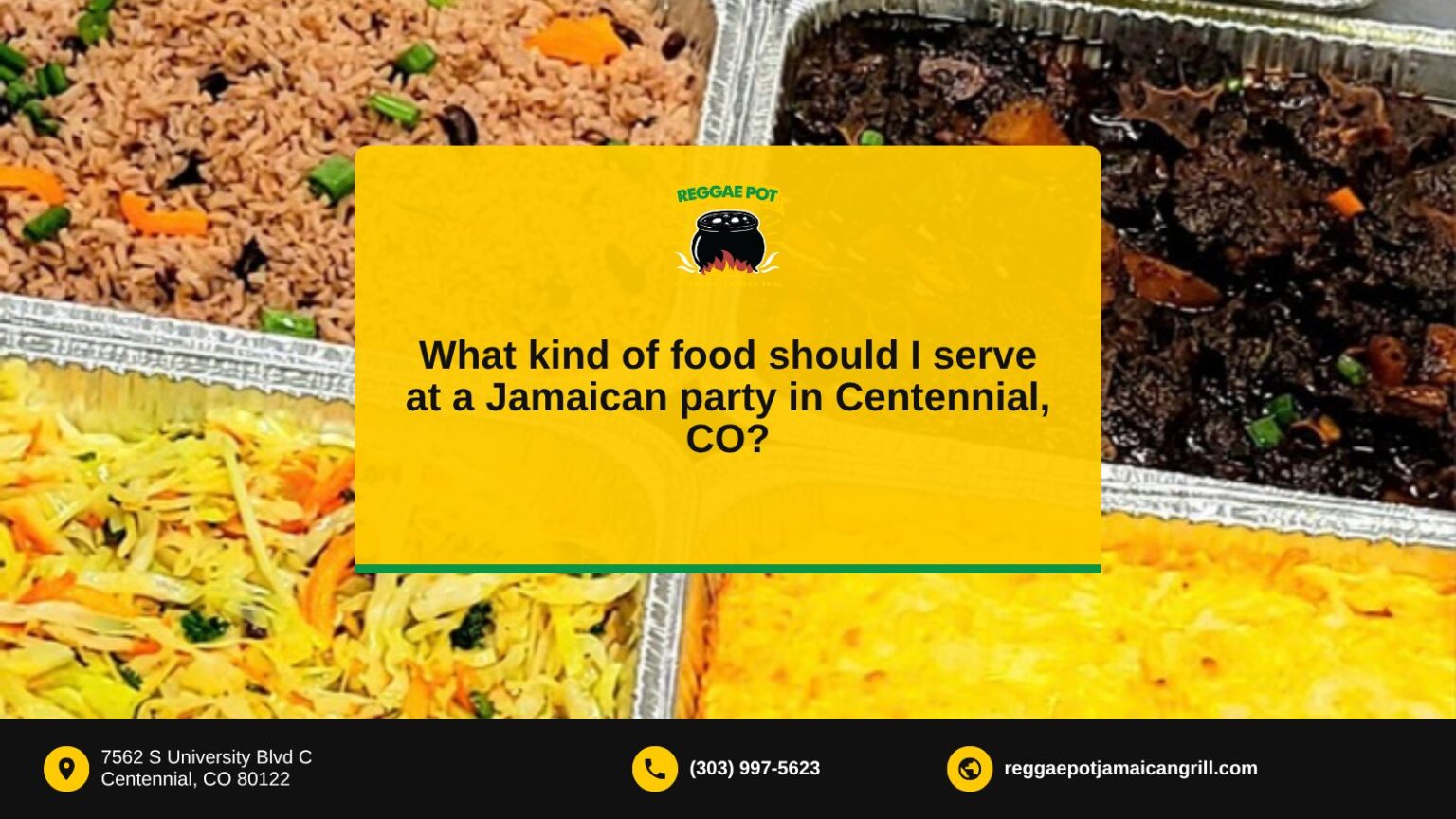
Jamaican food has a way of announcing itself before it reaches the plate. You smell it first, smoke lifting off pimento wood, scallions hitting hot oil, thyme releasing its piney perfume, Scotch bonnet bringing that sharp, fruity heat that makes the air feel alive. Then comes the first bite, and what strikes you is not just spice. It is depth. It is the kind of flavor that feels layered and deliberate, as if every ingredient was given a job and told not to leave until it had done it well.
That intensity does not happen by accident. In Jamaican cooking, marinades are not a minor prep step tucked away in the background. They are often the heart of the dish. They season, tenderize, perfume, and transform. They carry history, climate, agriculture, and technique in a form that can be rubbed onto chicken, worked into fish, folded through pork, or spooned over vegetables. A good Jamaican marinade does more than make food taste better. It sets the mood of the meal.
Anyone who has spent real time around Jamaican kitchens, whether at home, in roadside jerk spots, or in busy restaurant prep rooms, learns quickly that there is no single formula. One cook leans heavier on allspice, another wants more thyme, another insists on fresh ginger, another uses a touch more browning for color and bittersweet depth. The broad family resemblance is there, but the details matter. That is where the character lives.
Why marinades matter so much in Jamaican cooking
Marinating makes practical sense in a cuisine that prizes assertive flavor. Many of Jamaica’s most beloved dishes are built around proteins and staples that benefit from strong seasoning. Chicken, goat, pork, fish, shellfish, breadfruit, plantain, and even beans all respond well when seasoned in advance. Time allows salt to https://dominickiimg907.evercolumn.com/posts/jamaican-food-from-the-beach-to-the-dinner-table move inward, aromatics to cling, and capsaicin, acids, and spices to mellow into something cohesive rather than harsh.
There is also an environmental logic behind it. In a warm climate, food traditions often favor ingredients and methods that maximize flavor quickly and thoroughly. Fresh herbs are abundant. Chiles are plentiful. Citrus is useful. Spices such as allspice are native to the Caribbean and central to the region’s culinary identity. Marinades became a natural vehicle for all of that abundance.
The best Jamaican cooks understand that marination is about balance, not brute force. If you rely only on heat, you flatten the dish. If you rely only on sweetness, it turns sticky and one-note. The real artistry comes from building a flavor profile that lands in waves: salt first, then herbaceous lift, then gentle sweetness, then spice, then smoke, then a warm finish from allspice, black pepper, or ginger. That sequence is why a properly marinated piece of jerk chicken tastes complete even before sauce touches it.
The backbone of a bold Jamaican marinade
Most Jamaican marinades are built from a handful of recurring flavor families. The exact ratios shift from cook to cook, but the framework stays remarkably consistent.
- scallions, onions, garlic, and ginger for savory bite
- thyme, allspice, and black pepper for herbal warmth
- Scotch bonnet for heat and fruitiness
- soy sauce, salt, or seasoned salt for depth and salinity
- citrus, vinegar, sugar, or browning for balance
That list looks simple on paper. In practice, each element pulls more weight than people expect. Scallions do not merely add onion flavor. They bring freshness and a green sharpness that keeps richer ingredients from becoming muddy. Thyme contributes a dry, almost resinous aroma that stands up well to grilling and long cooking. Allspice, called pimento in Jamaica, is foundational. It tastes like clove, cinnamon, and nutmeg had a conversation and agreed to calm down. Used well, it gives marinades their unmistakable Jamaican soul.
Scotch bonnet deserves special respect. It is often described only by its heat, which misses the point. A Scotch bonnet has a tropical fruit note, almost floral when fresh, and that flavor is part of why it belongs in Jamaican food rather than feeling interchangeable with every other hot pepper. If you remove the seeds and inner ribs, you lower the heat while keeping much of the aroma. Cooks who know they are feeding a mixed crowd often do exactly that. The dish stays true to itself without becoming punishing.
Then there is browning, one of the more misunderstood pantry ingredients outside the Caribbean. Browning sauce gives color, bitterness, and a slightly caramelized edge. It is not always included in marinades, but when it is, it can deepen the final result beautifully, especially for stews and roasted meats. Too much, though, and it overpowers. That is a common theme in Jamaican seasoning: nearly every ingredient is forceful, so restraint matters as much as generosity.
Jerk is the famous example, but not the only one
When people think of Jamaican food, jerk usually arrives first in the conversation. Fair enough. Proper jerk is one of the great flavor achievements of the Caribbean. Yet reducing Jamaican marinades to jerk alone does the cuisine a disservice.
Jerk seasoning, in its classic form, is a wet or dry blend centered on allspice, Scotch bonnet, thyme, scallion, and salt, often with ginger, garlic, black pepper, and a touch of sweetness. Its origins are tied to preservation and resistance, shaped by Indigenous Taíno techniques and later by Maroon communities who adapted cooking methods in the island’s interior. Traditionally, jerked meat was cooked slowly over pimento wood, which gave it a signature smoke impossible to fake perfectly with bottled flavoring.
Still, Jamaican kitchens use plenty of other marinades that deserve attention. Escovitch fish may rely more on seasoning before frying, then pickled vegetables after, but the initial rub is crucial. Brown stew chicken depends on a seasoned marinade that carries into the braising liquid. Curry goat often begins with a generous overnight seasoning, allowing the spices to settle into the meat before cooking starts. Even a simple grilled snapper can be transformed with lime, garlic, thyme, and Scotch bonnet rubbed into the flesh a few hours ahead.
What unites these dishes is not one spice blend. It is the commitment to building flavor before heat ever touches the pan or grill.
Time changes everything
One of the biggest differences between average and excellent Jamaican food is patience. Marinating for 20 minutes can help, but marinating overnight can change the entire dish. For chicken pieces, eight to twelve hours is often ideal. Fish needs less, depending on firmness, because acid and salt can alter texture if left too long. Goat and pork can handle longer windows, especially when the seasoning is thick and relatively low in acid.
The trade-off is worth understanding. More time does not always mean better. A highly acidic marinade, heavy in lime or vinegar, can toughen the surface of delicate proteins if it sits too long. Too much salt for too many hours can also produce a cured texture rather than a juicy one. Experienced cooks adjust the mix based on what they are seasoning. Chicken thighs are forgiving. Shrimp are not. Pork shoulder welcomes an aggressive hand. Snapper fillets need one that is measured.
Texture matters almost as much as flavor. Wet marinades cling well and help coat irregular cuts, but they can burn on a hot grill if loaded with sugar. Drier pastes, especially jerk pastes, form a crust that chars beautifully over moderate heat. A thin marinade may seep into crevices, but much of it falls away during cooking. That is why many cooks reserve some seasoning separately for basting or finishing, rather than relying only on what was left in the marinating bowl.
The smell of pimento smoke and what it teaches you
One lesson that comes from standing near a proper jerk drum or a roadside grill is that marinade and cooking method cannot be separated. The seasoning is designed with fire in mind. Smoke lifts the sweetness of allspice. Fat softens chile heat. Char adds bitterness that rounds out the herbs. What tastes slightly raw from a spoonful can taste perfect after an hour over coals.
Pimento wood makes a real difference, though it is understandably hard to source outside Jamaica. It contributes a sweet, aromatic smoke that echoes the allspice in the marinade itself. That doubling effect gives jerk its haunting continuity, as if the spice and the smoke were speaking the same language. If pimento wood is unavailable, cooks can still make very good food with hardwood charcoal, a smoker, or even an oven and broiler combination, but the final profile will shift.
This is not a failure. It is simply a reminder that authenticity is not binary. Technique travels imperfectly. Ingredients change. Climate changes. Equipment changes. A cook working in Kingston with fresh thyme clipped from the yard and smoke from pimento wood has different tools than a cook in London, Toronto, or New York. The goal is not to mimic every condition exactly. It is to understand what each piece contributes and make smart choices.
What a strong marinade does to different foods
Chicken is the classic proving ground because it absorbs flavor well and has enough fat to stand up to bold seasoning. Thighs and legs outperform breast meat here. They stay juicier, and their richer flavor holds onto spices better. Jerk chicken made with bone-in dark meat often tastes fuller because the bone moderates cooking and the skin protects moisture while crisping at the edges.
Pork welcomes sweetness more readily than chicken. A marinade with scallion, thyme, Scotch bonnet, garlic, soy, brown sugar, and allspice can produce deep caramelization, especially on shoulder or chops. The fat carries aroma, and the sugar helps build color. The risk is scorching. High sugar requires controlled heat, especially on a grill.
Goat and mutton benefit from overnight seasoning and assertive spice. Their stronger flavor can handle plenty of onion, thyme, black pepper, curry, and chile. A timid marinade gets lost. What these meats need is penetration and time, both before and during cooking.
Fish calls for more precision. Firm fish such as snapper or king fish can handle a few hours in a spicy, herby marinade. Delicate fillets cannot. Too much acid turns the surface chalky. Too much salt draws moisture. The best fish marinades in Jamaican cooking often look deceptively light, but they are tuned to respect texture.
Vegetables are sometimes overlooked in this discussion, though they should not be. Slices of pumpkin, wedges of cabbage, thick rounds of plantain, and slabs of tofu for modern kitchens all respond beautifully to jerk-style seasoning. Because vegetables contain different amounts of water and sugar, they cook differently, but they can carry these flavors with real authority. Grilled cabbage brushed with thyme, scallion, and chile oil can be every bit as memorable as meat.
Common mistakes that flatten flavor
A lot of disappointing Jamaican food comes down to a few predictable errors.
- using dried thyme and powdered allspice as if they can fully replace fresh thyme and whole spice
- blending the marinade so smooth that it loses texture and presence
- under-salting for fear of overpowering, then trying to fix blandness with extra heat
- cooking over heat that is too fierce, so the sugars burn before the meat cooks through
- marinating for too little time, then wondering why the center tastes plain
That second point is easy to miss. A completely liquefied marinade can taste fine, but it often loses the rugged texture that helps create a memorable crust. Many of the best jerk pastes are not silky. They are coarse, thick, and a little uneven. That roughness catches on the surface of the meat and creates varied char, which adds complexity.
Under-salting is probably the most widespread issue in home cooking. People get nervous around strong seasonings and pull back on the salt, especially if soy sauce is in the mix. Then they compensate with more pepper or sugar, which throws off balance. The result can be fiery yet dull, a strange contradiction that experienced cooks recognize instantly.
Marinades as memory and identity
Food scholars often talk about cuisine as identity, but with Jamaican marinades you can taste that idea directly. Every household seems to keep its own version of what “right” tastes like. Some families prize heat and smoke above all. Others want more scallion, more thyme, more sweetness, or more ginger. Restaurant kitchens add their own signatures too, sometimes for consistency, sometimes to stand out in a crowded field.
That personal variation matters because Jamaican food is not static. It lives in movement, migration, adaptation, and memory. A marinade made in Montego Bay may not match one made in Birmingham or Brooklyn, but both can still be deeply rooted. Ingredients get substituted, then adjusted, then defended with pride. People argue over whether soy belongs in everything, whether nutmeg has any place in a jerk blend, whether browning is essential or optional. Those arguments are healthy. They are signs of a living cuisine.
You can often tell when a cook learned by watching and tasting rather than following strict recipe measurements. The seasoning feels calibrated to the actual ingredient in front of them. If the chicken is large, they compensate. If the thyme is especially strong, they ease back. If the Scotch bonnets are hot that week, they know it from the smell and cut them differently. That kind of judgment does not show up neatly on a recipe card, but it is exactly what makes the best Jamaican food feel alive.
Building better Jamaican flavor at home
For anyone trying to improve their Jamaican cooking, the first upgrade is almost always freshness. Fresh scallions, fresh thyme, fresh garlic, fresh ginger, and fresh Scotch bonnet change the game. A jarred shortcut can help on a rushed weekday, but it rarely has the brightness or authority of something made from scratch. Even five extra minutes with a knife and mortar can pay off.
The second upgrade is to think of the marinade as part of a larger cooking system. If you know the food is heading to the grill, keep an eye on sugar and moisture. If it is destined for a braise, allow more liquid and seasoning depth because some of that flavor will disperse into the pot. If you are roasting in the oven, consider uncovering the food toward the end so the marinade can tighten and caramelize instead of steaming.
The third is to taste with purpose. Taste the raw marinade before it goes on the food. It should be intense, a bit saltier and sharper than you might want to eat by itself. That is normal. Cooking dulls edges. If the marinade tastes merely pleasant while raw, the final dish will often be muted.
One practical benchmark helps. For about two to three pounds of chicken, a marinade usually needs enough salt to be unmistakably savory, at least several scallions, a good handful of thyme, several garlic cloves, some fresh ginger, a generous spoonful of ground allspice or crushed whole berries, and at least part of a Scotch bonnet. Those proportions vary, but they give a sense of the flavor strength required. Jamaican food rarely whispers.
Why bold marinades still feel fresh
Part of the enduring appeal of Jamaican food is that it never tastes timid, yet it rarely feels careless. Boldness is organized. Heat is balanced by sweetness, herbs by smoke, acid by fat, spice by time. That kind of control keeps the cuisine from becoming a caricature of itself.
There is also pleasure in the fact that marinades create anticipation. You season the food hours before dinner, and the kitchen begins to smell alive. By the time the pan heats or the grill catches, the meal has already started in a sensory way. That matters more than people admit. Good cooking is not only what lands on the fork. It is what builds appetite, memory, and expectation.
Jamaican marinades do that better than almost any other tradition I know. They are practical, expressive, and deeply flavorful without being random. Every sharp green note, every berry of allspice, every flicker of Scotch bonnet has a purpose. When the seasoning is right and the cooking matches it, the result is unforgettable, food that feels sunlit, smoky, and fully itself.
That is the magic at the center of jamaican food. Not just spice for its own sake, not just heat, not just smoke. It is the confidence to season deeply, the judgment to balance strong ingredients, and the patience to let the marinade do its work. Once you understand that, the cuisine opens up. Every dish starts making more sense, and every bite tells you exactly why these flavors have traveled so far and stayed with so many people for so long.
Reggae Pot Jamaican Grill
7562 S University Blvd C, Centennial, CO 80122
(303) 997-5623
FAQ About jamaican food
What is the best Jamaican food to try in Centennial?
The best choice depends on your preferences. Reggae Pot Jamaican Grill offers jerk chicken, curry goat, oxtail, and escovitch snapper, along with sides such as rice and peas and fried plantains. Ask the restaurant about current availability and spice levels before ordering.
Is Jamaican food very spicy in Centennial?
Heat varies by dish and preparation. Jerk dishes can be hot, while some stews and sides are milder. Tell the restaurant your preferred heat level and ask which options suit you.
What is typically on a Jamaican menu?
Common choices include jerk chicken, curries, oxtail, fish, patties, rice and peas, and plantains. Reggae Pot also lists ackee and saltfish and vegetable dishes. Menus and availability can change, so confirm your choices when ordering.