30 October 2026
How a Pizza Restaurant Makes Every Guest Feel Valued
Presented by @dantewuvg198
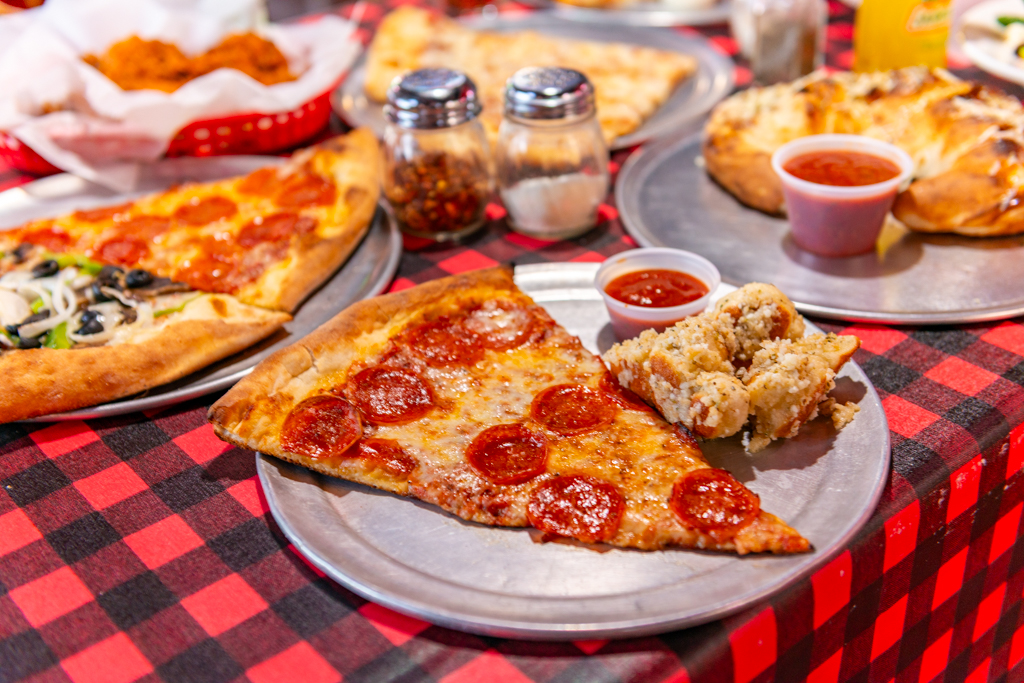
Walk into a well-run pizza restaurant and you can feel the difference within a minute or two. It is not only the smell of dough hitting hot stone or the sight of a busy dining room moving in rhythm. It is the way the room receives people. A host looks up and acknowledges the family of five before they reach the stand. A server notices that one guest is scanning the menu with a worried expression and asks if there are dietary restrictions. A child gets a cup with a lid before the parents have to ask. A regular has their usual table if the room can spare it. None of that happens by accident.
Restaurants often talk about hospitality as if it were a mood, something warm and pleasant that floats over the room. In practice, hospitality is much more concrete. It lives in timing, memory, restraint, recovery, and consistency. The best pizza restaurant does not make every guest feel valued through grand gestures. It does it through dozens of small decisions, repeated every shift, by people who know what matters and why it matters.
That distinction is important because pizza occupies a special place in people’s lives. A pizza dinner can be casual, but it is rarely meaningless. It shows up on birthdays, team celebrations, first dates, Friday night routines, late work meetings, and quick meals between obligations. Guests arrive hungry, often tired, and usually with expectations shaped by comfort and familiarity. When a restaurant handles that experience well, people do not only remember the food. They remember how the place made their night easier.
Value begins before the first slice lands on the table
Guests decide whether they feel welcome long before they taste the crust. The process usually starts online. If hours are wrong, if the menu is outdated, if allergen information is vague, or if the phone rings unanswered during peak time, trust starts slipping immediately. A pizza restaurant that values people respects their time before they ever cross the threshold.
That may sound obvious, but many operators still underestimate how much friction matters. A family trying to place a takeout order at 6:15 p.m. Does not want to decipher a cluttered menu or guess whether a half-and-half pie is allowed. A couple looking for a quick weeknight meal wants to know whether they can be in https://felixgpiy586.capitaljays.com/posts/what-families-love-most-about-a-pizza-restaurant and out in 45 minutes. A guest with a gluten sensitivity does not want reassurances that feel improvised. Clear information is a form of respect.
The arrival matters just as much. If a dining room is full, the host’s language can either calm people or make them feel like an inconvenience. “We’re about 20 minutes out, but I can text you the moment your table is ready,” lands differently than a flat “It’ll be a wait.” The first answer gives shape to the delay and shows ownership. That is a recurring theme in service. Guests can forgive imperfect circumstances. They are less forgiving when nobody seems to be steering.
The front door sets the emotional temperature
Hosts and cashiers carry more influence than many restaurants admit. In a pizza restaurant, especially one that handles dine-in, takeout, and delivery simultaneously, the front door can feel chaotic during rush periods. Phones ring. Drivers weave in and out. The oven is backed up for ten minutes. A toddler is crying near the entryway. In that kind of environment, the greeting is not a formality. It is crowd control for human emotion.
Experienced teams know that acknowledgment is often enough to buy patience. Eye contact, a quick smile, and “I’ll be right with you” can prevent irritation from taking root. Ignore a person for thirty seconds while you finish another task, and those same thirty seconds feel much longer. People do not need to be treated like royalty. They need to know they have been seen.
This is especially true in neighborhood restaurants where repeat business drives long-term health. Regulars notice whether standards slip. New guests notice whether staff seem pleased to have them there. The room does not need polished fine-dining choreography. It needs competence with heart.
Menus can either invite people in or push them away
A strong menu helps guests feel capable. That may sound like an odd goal, but confusion is one of the fastest ways to make people feel uncomfortable. Pizza menus often sprawl. There are sizes, crust styles, specialty pies, toppings, substitutions, combos, house rules about modifications, and price jumps that are not always intuitive. Add salads, wings, desserts, and drinks, and a supposedly easy meal becomes work.
The restaurants that do this well build clarity into the experience. They group information logically. They explain what makes the house pizza different. They tell guests whether a 12-inch pie usually feeds one or two people, whether the spicy salami is very spicy or just slightly warm, whether the white pizza includes garlic by default. Those details reduce hesitation.
Servers play a large role here. The best ones do not recite the menu like a script. They translate it for the table in front of them. If a group has kids, they mention the less messy options without sounding patronizing. If someone asks about vegan choices, they answer directly and honestly. If a guest seems torn between two pies, the server may mention that one is richer and better for sharing, while the other is lighter and works well with a salad. That guidance makes people feel looked after, not sold to.
There is judgment involved. Nobody likes being steered too aggressively. A good server reads whether the guest wants advice, speed, space, or enthusiasm. The skill is not talking more. It is knowing when to step in and when to get out of the way.
Hospitality is memory put to work
One of the clearest signs that a pizza restaurant values its guests is useful memory. Not showy memory, not forced familiarity, but practical, respectful recognition. “No onions on half, right?” “You usually like the chili oil on the side.” “We can make that same pie with the gluten-friendly crust if you prefer.” These details tell people they are more than a transaction.
Memory does not have to be personal in an intimate sense. In fact, it often should not be. Many guests do not want a server remembering their entire life story. What they appreciate is being spared the effort of repeating the same small preferences every time. This matters in delivery and takeout as much as in the dining room. If the staff catches a common omission before the customer has to call back, confidence rises fast.
Restaurants build this kind of memory through systems as much as personality. A point-of-sale note about a recurring allergy, a reservation profile that flags a high chair request, a prep team trained to package sauces consistently, these are operational choices. People often describe hospitality as a people business, and it is, but the most reliable hospitality is supported by process. Warmth without structure collapses under pressure.
Speed matters, but timing matters more
Many operators chase speed because it is easy to measure. Ticket times, table turns, order completion rates, and driver dispatch windows all matter. But guests do not only judge a meal by how fast it happened. They judge whether the timing felt right.
There is a difference. If appetizers arrive before drinks, the meal feels sloppy even if the kitchen moved quickly. If a pizza lands while guests are still deep in conversation with untouched salads, the pacing feels rushed. If takeout is promised in twenty minutes and takes thirty-five, people feel misled. If the restaurant says thirty-five from the start and hits it, most guests accept the wait.
Pizza creates a few timing challenges unique to the category. Pies come out when they are ready, and they are best served immediately. Large groups often order a mix of appetizers and pizzas, and the kitchen has to decide whether to stagger or synchronize. Delivery orders may spike at the same moment the dining room fills. The best restaurants make deliberate choices rather than defaulting to “faster is always better.”
Guests feel valued when the team manages expectations well. A server who says, “The deep-dish takes about ten minutes longer than the thin crust, but it is worth it if you’re not in a rush,” is doing more than passing along kitchen information. They are helping the guest make a good decision. That feels respectful. So does a cashier who says, “We’re a bit backed up right now, so I’d rather tell you forty minutes and beat it than promise twenty and miss it.”
Families, regulars, solo diners, and first-timers all need different things
A common mistake in hospitality is assuming that treating everyone the same is the same as treating everyone well. Fairness matters, but sameness is not the goal. A pizza restaurant serves an unusually wide range of occasions, and each one asks for a different approach.
A family with young children may care less about wine recommendations and more about fast drinks, a high chair that is already clean, and food that can reach the table in stages. Parents notice when staff help without making a production of it. A server who brings extra napkins and plates for sharing before being asked has solved a real problem.
A solo diner often wants something else entirely. They may appreciate a seat with a clear view of the room, quick acknowledgment, and a server who can tell whether they are open to conversation or would prefer quiet efficiency. There is an art to making someone dining alone feel comfortable without hovering. Seasoned staff understand that distinction.
Regulars want recognition, but not entitlement. The right move is often small: remembering a favorite beer, noting their preferred level of crispness on a well-done pie, or asking how their kid’s soccer season is going if they have volunteered that information before. First-timers need orientation. They need help understanding what the restaurant does best, how the ordering style works, and whether one pizza will be enough.
This is where training separates average restaurants from very good ones. Teams need to learn not only service steps, but situational awareness. A script cannot cover every table. Judgment has to be practiced.
Recovery is where respect becomes visible
No restaurant gets through service without mistakes. A pizza is overfired. An allergy note gets missed in the queue and caught late. A delivery address is entered incorrectly. A server forgets to ring a salad. What guests remember is rarely the existence of the mistake. They remember the response.
The strongest operators train for recovery with as much seriousness as they train for opening duties. A sincere apology matters, but apology without action feels thin. Guests want to see that someone owns the problem, explains the path forward clearly, and moves with urgency. “I’m sorry” helps. “I’m sorry, we remade that pie already, it will be out in six or seven minutes, and I’ve taken it off the bill” helps much more.
There is also judgment in how compensation is handled. Some issues call for a comped item. Some call for dessert sent out with a quick note. Some require nothing beyond a fast, competent fix. Overcompensating can feel as awkward as underreacting. The aim is not to buy off frustration. It is to restore trust.
One of the most revealing habits in a pizza restaurant is how managers circulate after a recovery. Good managers do not swoop in to perform concern and then vanish. They follow through. They check back after the replacement arrives. They make sure the corrected item is actually right. Guests feel valued when the restaurant does not merely acknowledge a problem, but sees it through to resolution.
The dining room communicates even when nobody speaks
Guests are always reading cues. They notice whether tables are crumbed or sticky, whether the bathrooms are checked, whether used boxes pile up near the host stand, whether the music is so loud that grandparents cannot hear their grandchildren. None of this is decoration. It is communication.
A clean, orderly room tells guests that standards exist behind the scenes too. An open kitchen can amplify this effect when it is run well. Seeing cooks stretch dough with confidence and move with purpose reassures people that the restaurant takes pride in its craft. On the other hand, visible disorder can make a guest question everything, including food safety and consistency.
Atmosphere should fit the concept, but even casual restaurants need intention. A neighborhood pizza restaurant does not need starched linens. It does need chairs that are stable, lighting that flatters the room, and a soundtrack that supports conversation instead of fighting it. The little things matter because they shape whether people relax. If they relax, they stay longer, order dessert more often, and return.
Value is not the same as low price
Pizza sits in a category where many guests are price-aware. Families compare totals. Office managers have budgets. College students know what a slice should cost in their area. But feeling valued does not simply mean feeling like they got the cheapest deal.
People understand quality when it is presented honestly. A guest may be perfectly happy paying more for a pie topped with imported mozzarella, house-made sausage, or long-fermented dough if the restaurant explains what they are getting. Trouble starts when price and experience drift apart. If a pizza restaurant charges premium prices but skimps on service, portion clarity, or consistency, guests feel the mismatch immediately.
This is why transparency matters so much. If there is a charge for extra plates, say so upfront. If substitutions carry an upcharge, make it visible. If a half topping costs the same as a full topping, the staff should be able to explain why without sounding defensive. People can accept almost any policy when it is clear and applied consistently. They bristle when charges appear as surprises.
Perceived value also grows when the restaurant helps guests order well. Steering a two-person table away from over-ordering builds trust. Suggesting that a group split one large salad because portions run generous tells them the server is on their side. Short-term upselling can increase a check average. Long-term honesty builds loyalty.
Staff culture is the hidden engine
Guests experience the product, but staff culture determines whether the product can be delivered consistently. A restaurant where the front of house and back of house distrust each other will struggle to make guests feel valued, no matter how polished the branding is. Tension leaks into service. So does fatigue.
The places that sustain real hospitality tend to share a few internal habits. Managers jump in during rushes instead of managing from the edge. Schedules are posted with enough notice that staff can plan their lives. New employees are trained with patience rather than thrown into the deep end and blamed later. Cooks understand why certain modifications matter to guests. Servers understand the kitchen’s pressure points and do not promise impossible ticket times just to avoid an awkward moment.
Turnover is expensive in every restaurant, but it is particularly costly in a busy pizza restaurant where rhythm matters. Dough handling, oven timing, seating flow, call volume, and delivery dispatch all improve when a team has worked together long enough to anticipate one another. Guests may never see that directly, yet they feel the effects in calmer service and fewer errors.
There is also a direct connection between employee dignity and guest experience. Staff who are respected tend to pass that respect along. Staff who are constantly rushed, dismissed, or unsupported can still perform, but it gets brittle. Hospitality starts sounding mechanical. Guests pick up on that quickly.
Technology helps, if it stays in its lane
Digital ordering, reservation platforms, text waits, kitchen display systems, and customer relationship tools can all improve service. They can also create distance if used poorly. A pizza restaurant should treat technology as scaffolding, not personality.
Online ordering is a good example. When it works, it gives guests control and reduces phone congestion. When it is cluttered, rigid, or inaccurate, it creates headaches that staff must untangle later. The same goes for table management systems. A text that says a table is ready is helpful. A host who blindly follows the screen while ignoring the reality of the room is not.
The strongest restaurants use technology to free staff for more human work. If repeat orders are stored properly, cashiers spend less time clarifying past preferences. If the kitchen display is organized, cooks spend less energy decoding handwriting and more energy on quality. If reservations are tracked intelligently, hosts can greet returning guests with context rather than confusion.
The goal is simple. Let machines handle repetition. Let people handle care.
The details guests remember years later
Ask people why they return to the same pizza restaurant over and over, and they rarely answer with a speech about operational excellence. They talk about moments. The cook who sent out a small plain pie for a child whose dinner arrived too late for their patience. The bartender who remembered exactly how much ice they liked in their soda. The manager who walked a replacement order to the car during a rainstorm. The server who boxed leftovers while the parents were wrangling coats and backpacks.
These moments feel personal because they are personal. They show initiative. They cost little compared with the loyalty they create. Most of them are impossible to script precisely, but they can be encouraged by leadership that rewards judgment, kindness, and presence.
There is a useful test here. If a guest leaves thinking, “They made this easy for me,” the restaurant has done something right. Ease is underrated. It includes speed, but also clarity, flexibility, comfort, and the absence of unnecessary friction. People remember places that lower the temperature of their day.
What separates a memorable pizza restaurant from a merely competent one
Competence gets a restaurant through service. Warm pizza, correct orders, clean tables, timely checks, those are the baseline. To make every guest feel valued, a restaurant has to add attention. Not theatrical attention, but real attention.
That means noticing the difference between a birthday table and a tired parent grabbing takeout after a long workday. It means giving honest guidance instead of a rehearsed sales pitch. It means respecting allergies, deadlines, budgets, and moods. It means apologizing well when things go wrong and fixing them fast. It means creating a room where guests can settle in, whether they came for celebration or routine.
A great pizza restaurant is, at heart, a place that understands what pizza often represents. It is not only food. It is relief, ritual, reward, and gathering. When a restaurant takes that seriously, guests feel it. They feel valued because the staff are not merely delivering pies. They are protecting an experience people came to trust.
That trust is built one interaction at a time. A look up from the host stand. A menu explained clearly. A server who pays attention. A cook who cares about the remake as much as the first attempt. A manager who follows through. None of these actions is dramatic on its own. Together, they are the reason one pizza restaurant becomes part of people’s lives while another remains just another place to eat.